
 Technical datasheet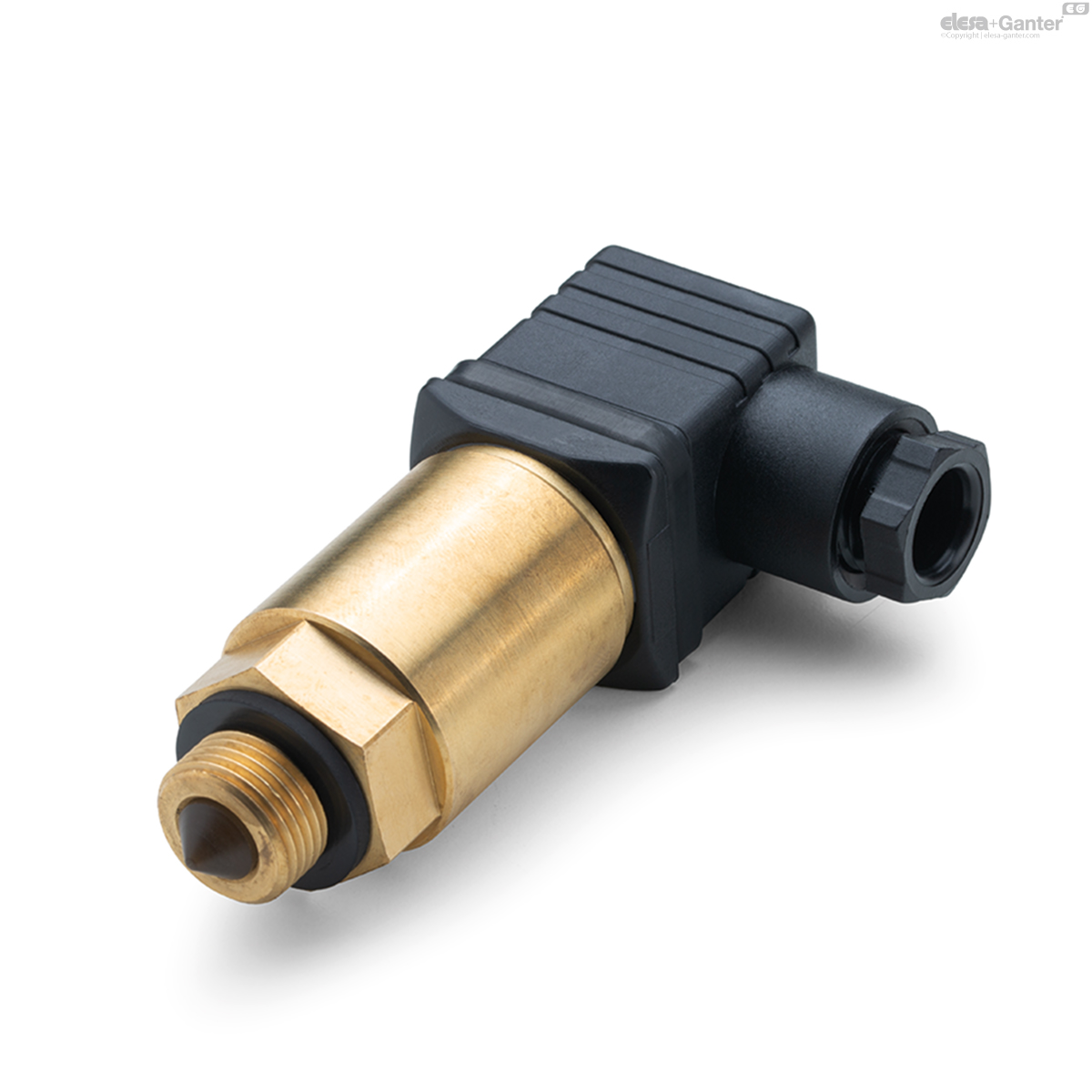
HSOOptical level sensor
DIN 43650 connector, with built-in cable gland and contact holder
for translucent liquids


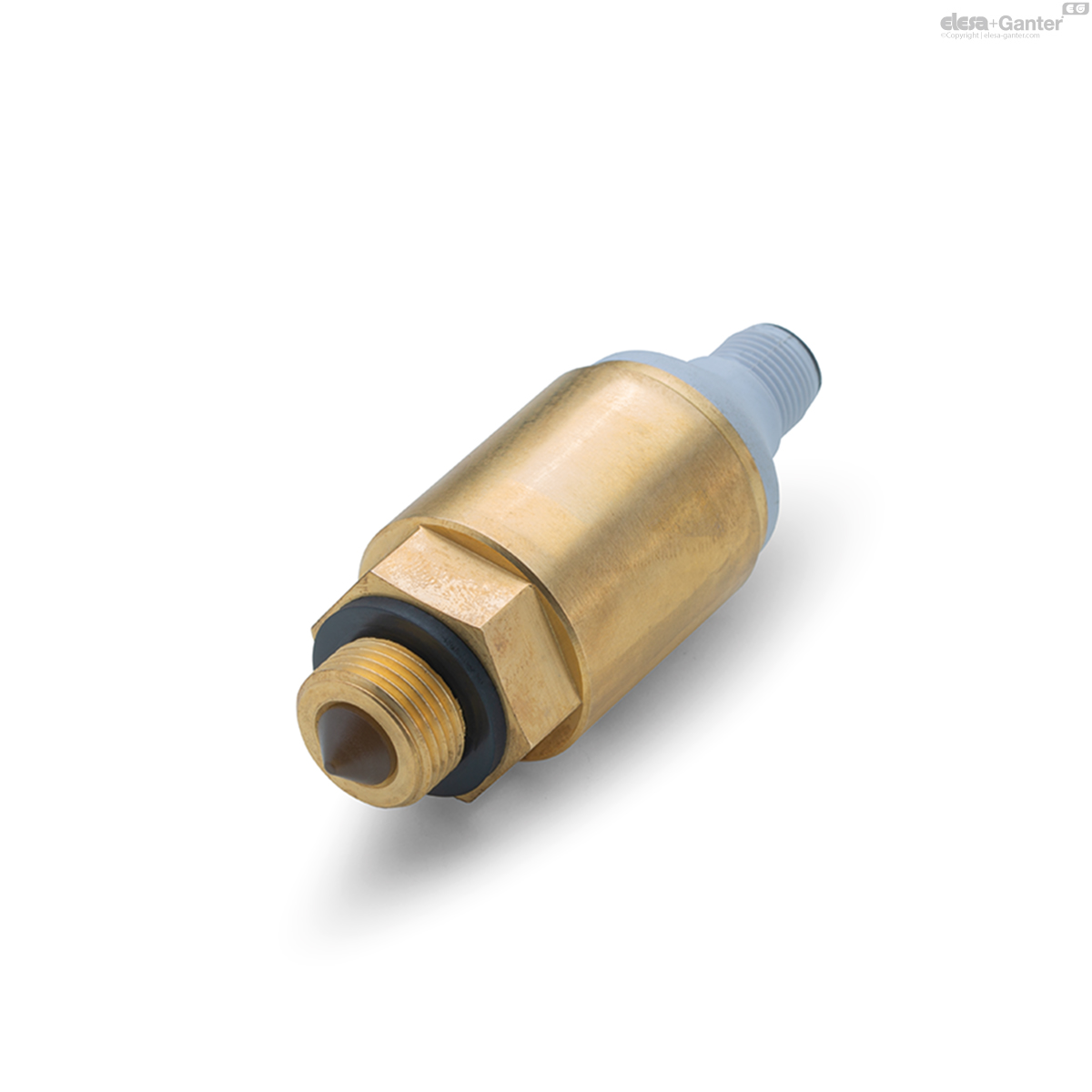

Body
Brass.
Prism
Polysulfone.
Packing ring
NBR.
Standard executions
- HSO: sensor with DIN 43650 connector in polyamide-based technopolymer (PA), black colour, with built-in cable gland and contact holder. IP65 protection class as shown in table EN 60529.
- HSO-KN: sensor with M12x1 connector, 4-pin with thread in polyamide-based technopolymer (PA), black colour, matte finish. IP67 protection class.
For a correct assembly see Warnings.
Fluid operating temperature (not frozen)
-30 / +110°C.
Ambient temperature
-30 / +55°C.
Maximum working pressure
100 bar
Features and applications
Suitable for the detection of translucent liquids inside even small tanks.
The optical sensor inserted inside the metal body includes a prism with an infrared diode and a detector device.
Special executions on request
- AISI 316 stainless steel body.
- NPT threadings.
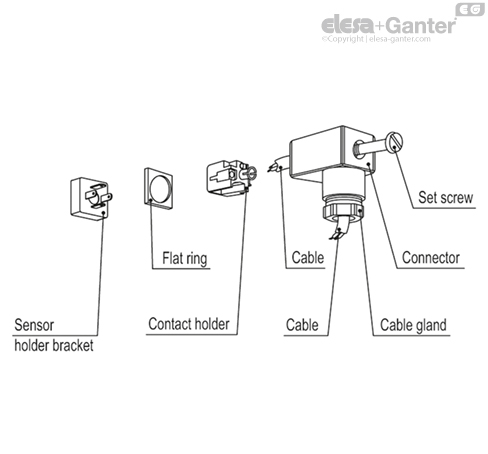
Connector assembly instructions
- Remove the connector from the sensor by unscrewing the set screw placed on the connector, take the contact holders out and loosen the cable gland.
- Insert the cable into the connector (standard connector) and connect the wires to the clamps, as indicated in the wiring instructions.
- Assemble by pressing the contact holder into the connector in the required position.
- Screw the connector to the sensor and then tighten the cable gland.
| Electrical features | |
| Description | Features |
| Power supply | 15 – 35 Vcc |
| Current drawn by the internal circuit | 10 mA |
| Max load | 100 mA |
| Electrical output | Push - Pull |
Functioning and maintenance
In the absence of contact with the liquid, the infrared ray is entirely reflected by the prism towards the receiver; however, when the sensor is wetted by the liquid, the refractive index of the prism changes and part of the infrared ray is dispersed in the liquid itself, causing the output to switch (Fig.1).
The amount of reflected light translates into a measurement of the level inside the tank.
It is advisable to periodically check the condition of the optical sensor lens and, if necessary, proceed with cleaning using non-corrosive liquids.
Warnings
- Minimum detectable liquid level: 10 cm.
- The sensor can be mounted both vertically and horizontally (Fig.1).
- In vertical mounting there is the possibility of distortion in the level detection due to the presence of residual drops on the surface of the prism.
Related products
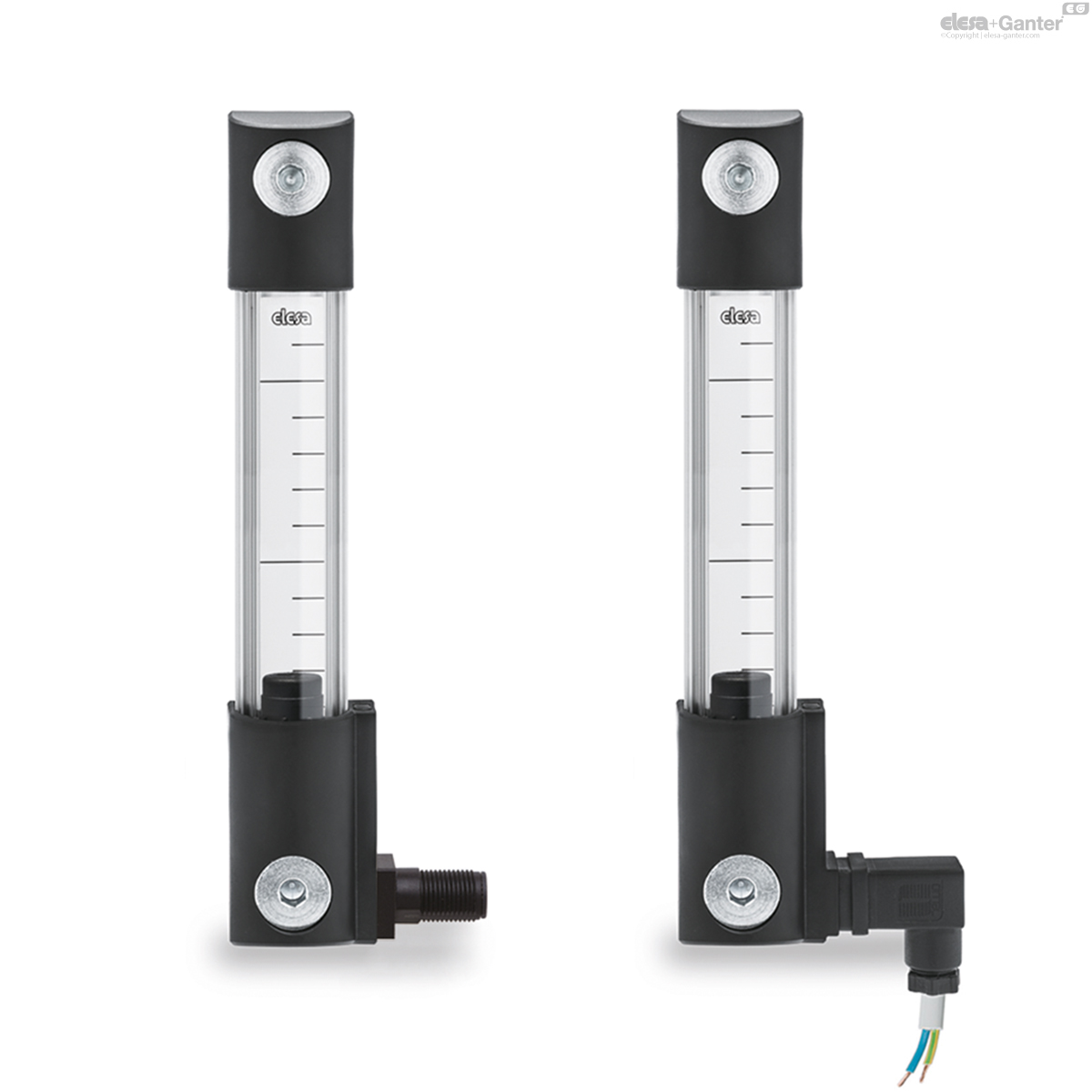
HCK-E
Electrical level indicators
with MIN level electrical sensor
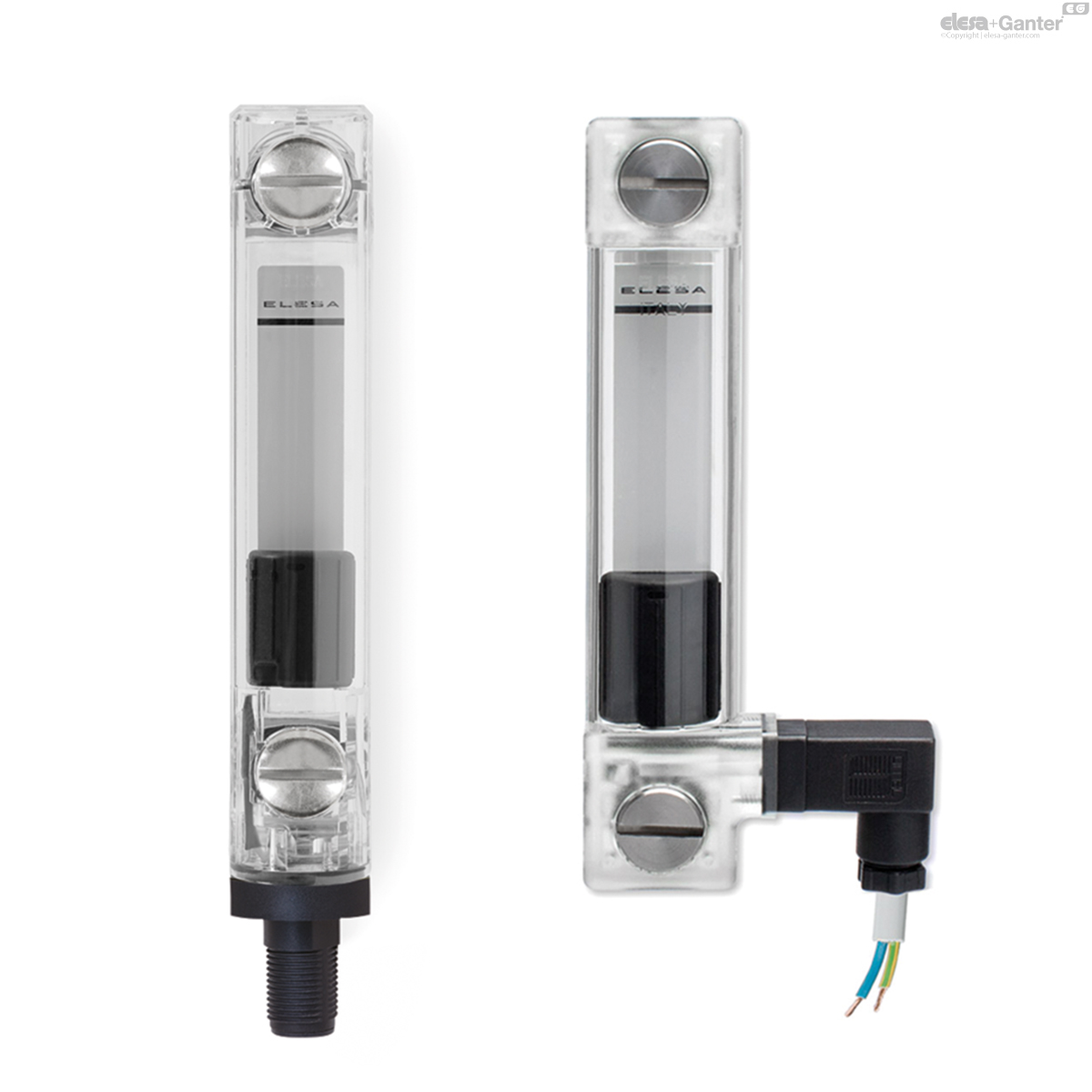
HCV-E
Electrical level indicators
with MIN level electrical sensor, transparent technopolymer
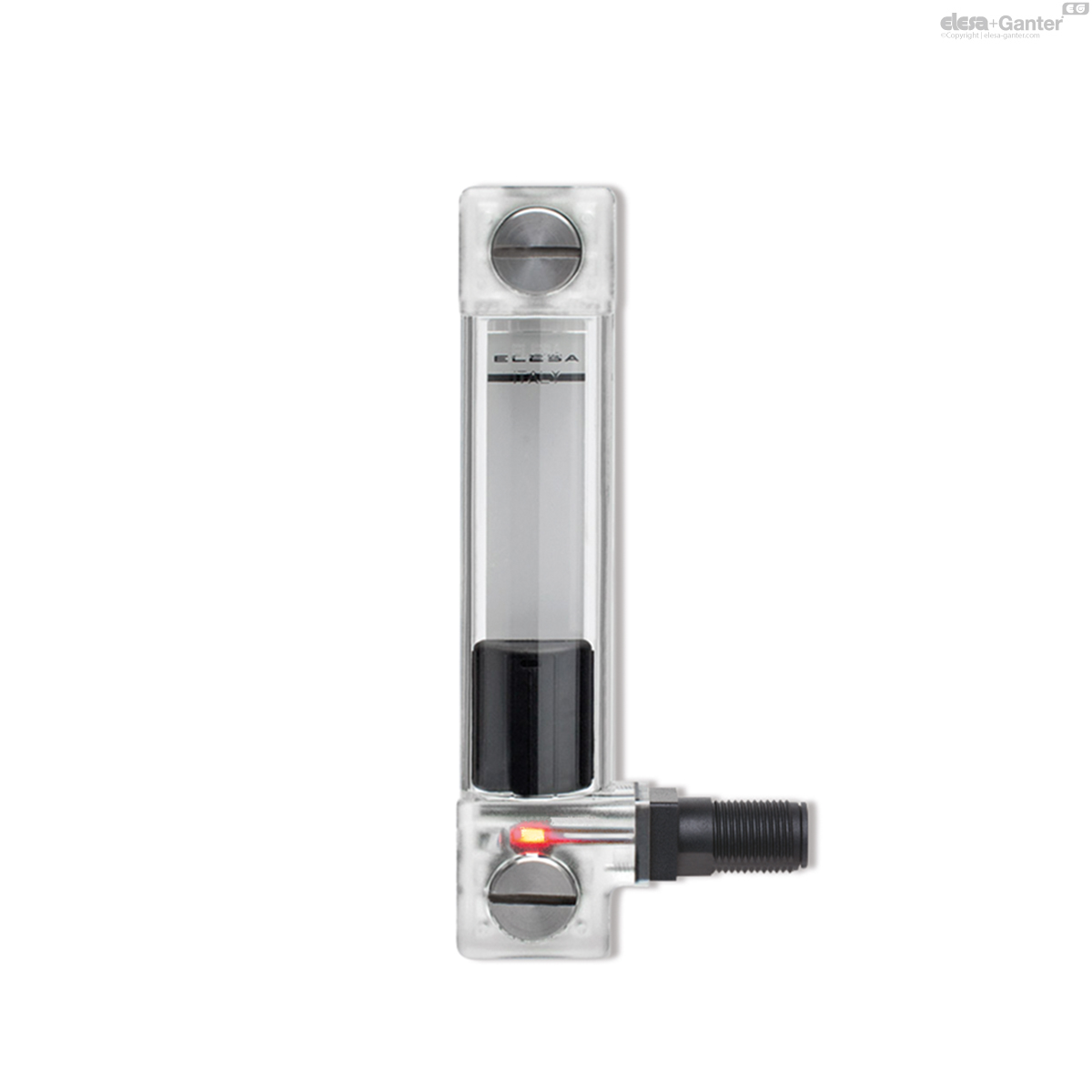
NEW
HCV-E-NO-LD
Electrical level indicators with LED
with MIN level electrical sensor, transparent technopolymer
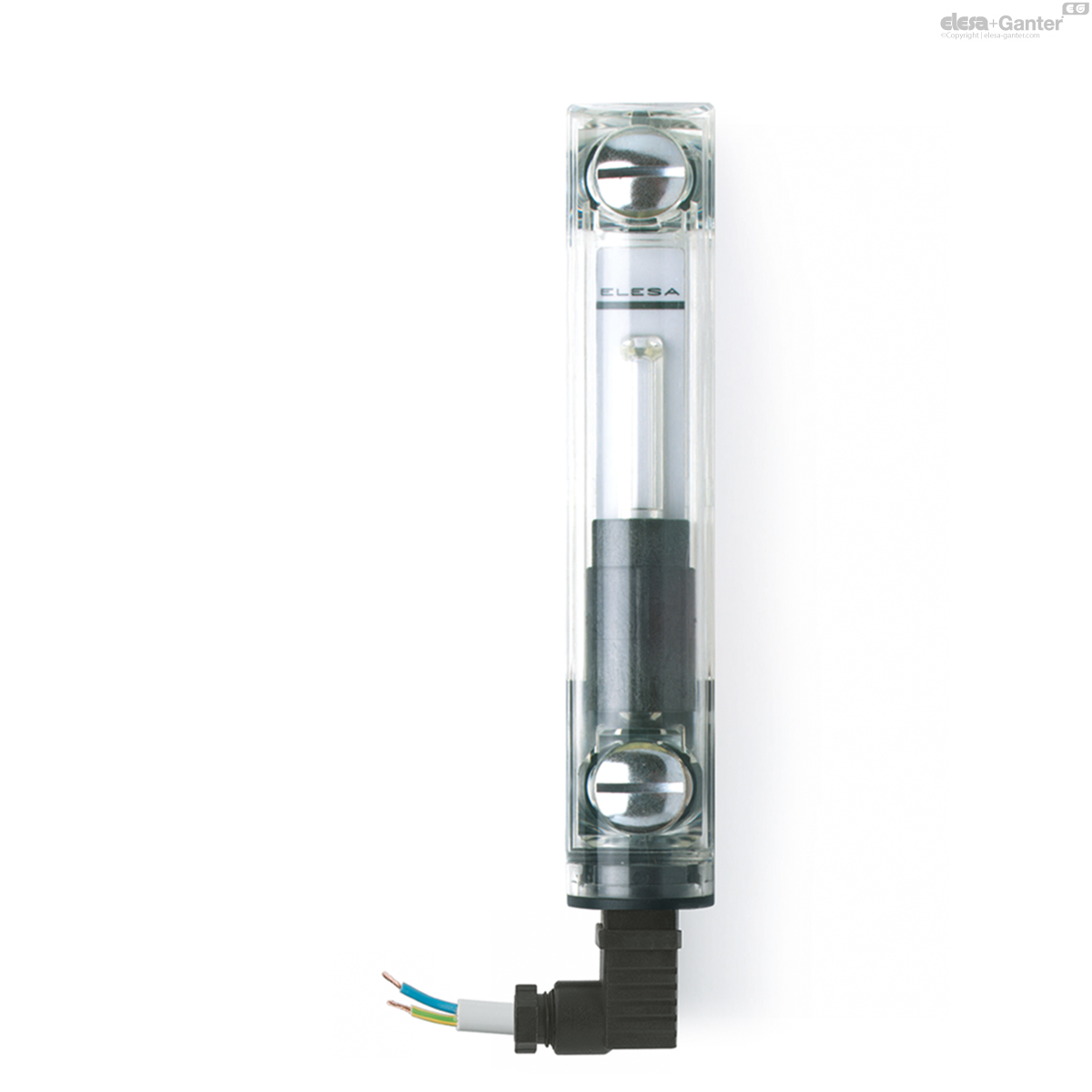
HCX-E
Column level indicators
with MIN level electrical sensor, technopolymer
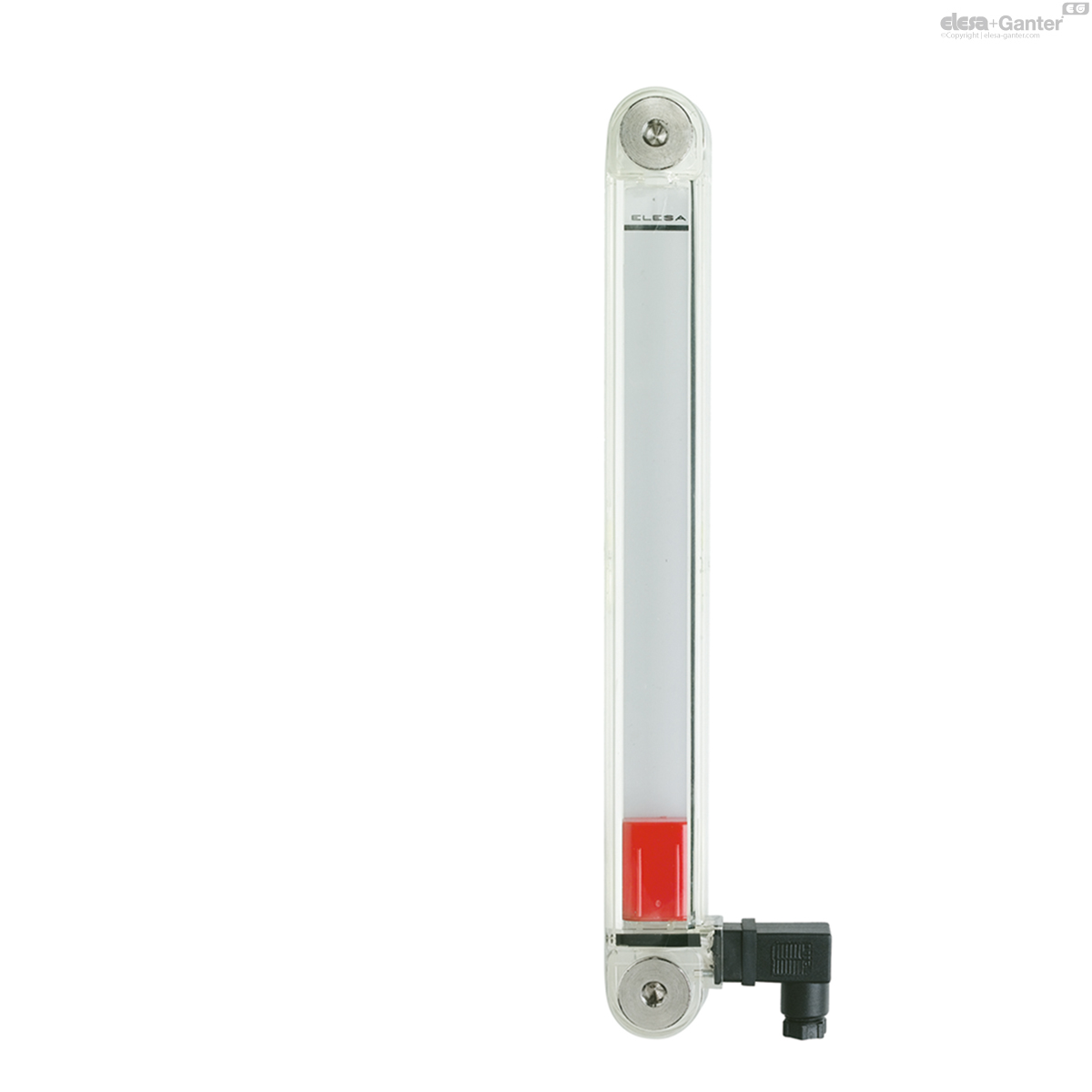
HCY-E
Oil electrical level indicators
with MIN level electrical sensor, technopolymer
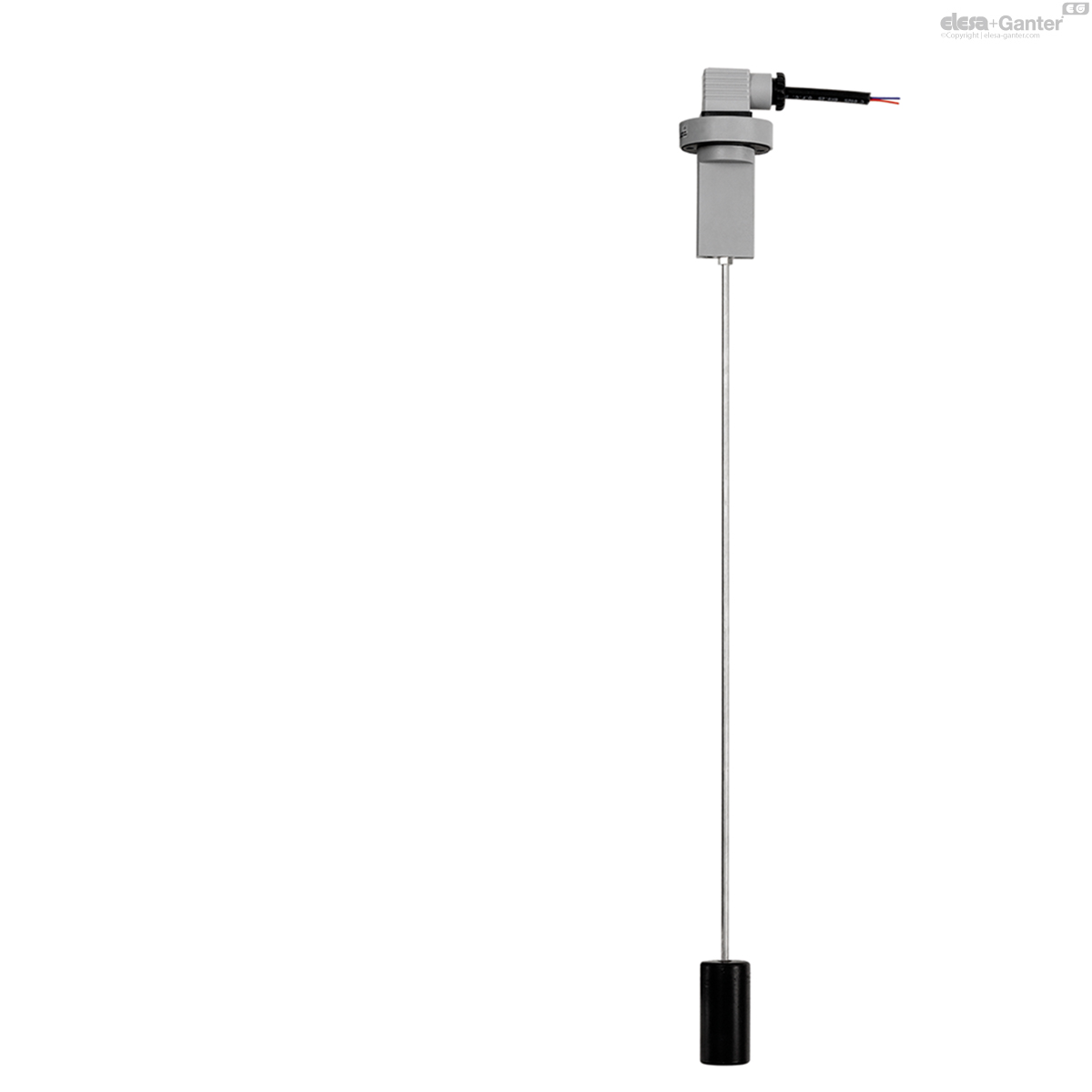
HFL-E
Rapid levels with float
Technopolymer
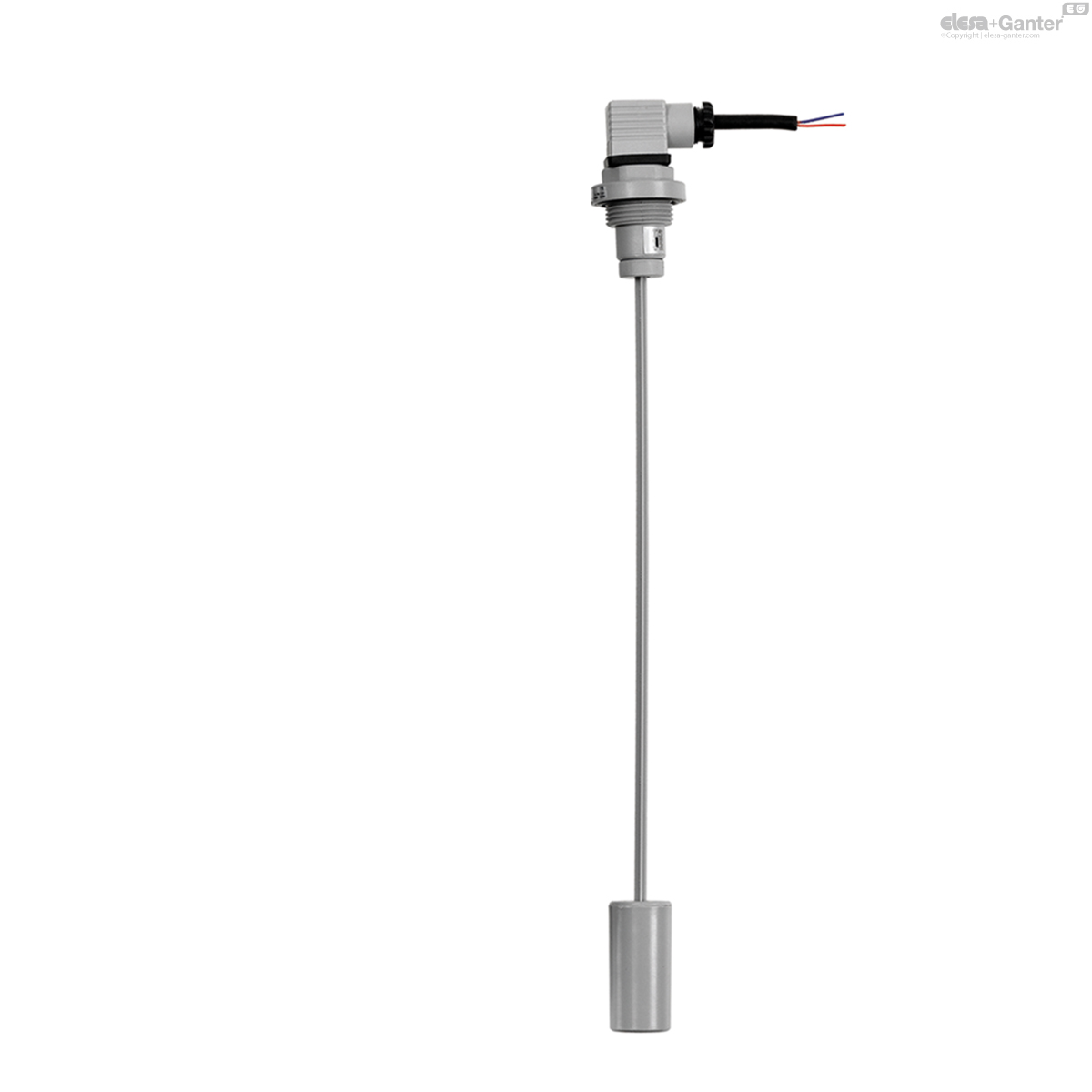
HFLT-E
Rapid levels with float
Technopolymer

NEW
HSC-W-A
Capacitive level sensor
for conductive and non-conductive liquids