Technical datasheet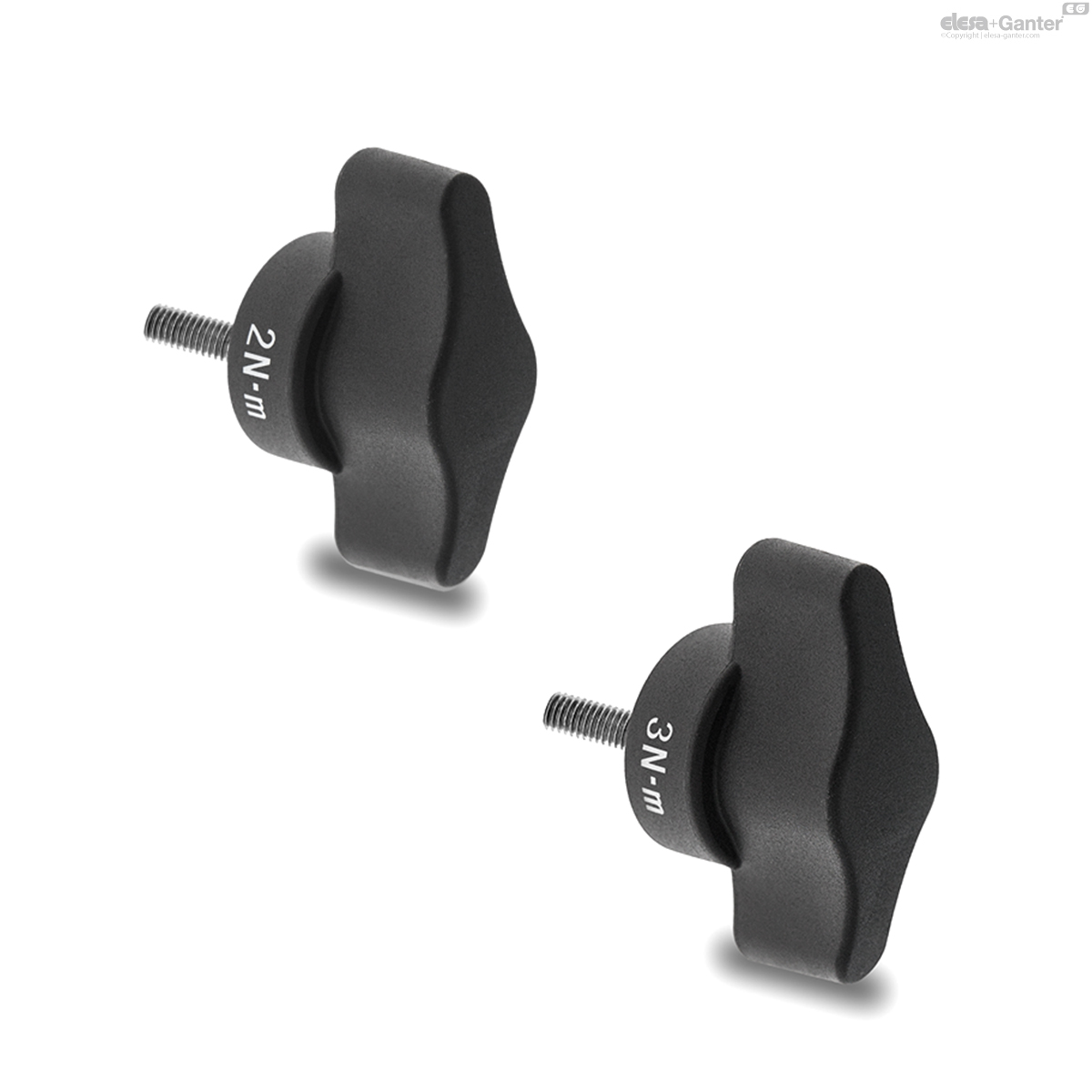
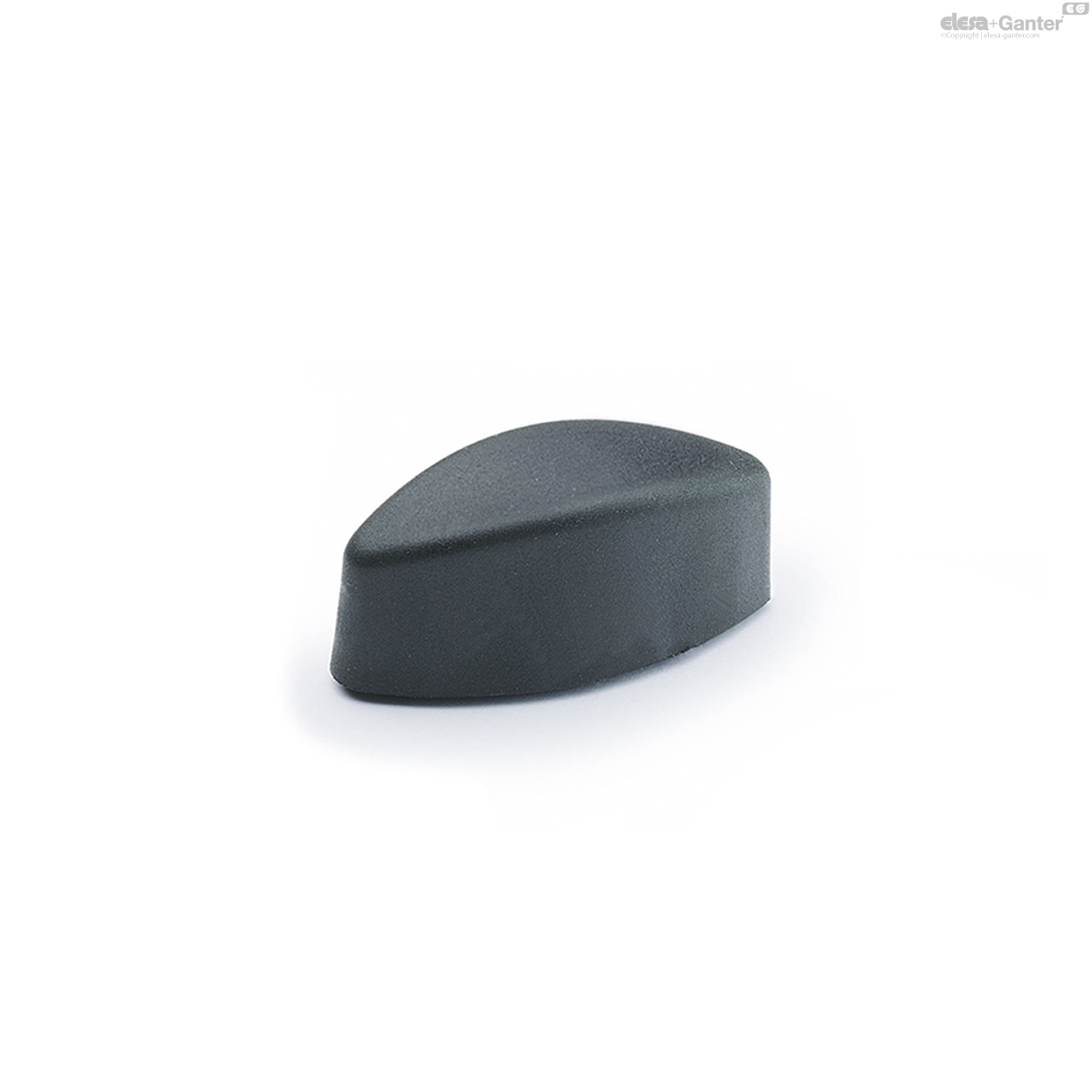
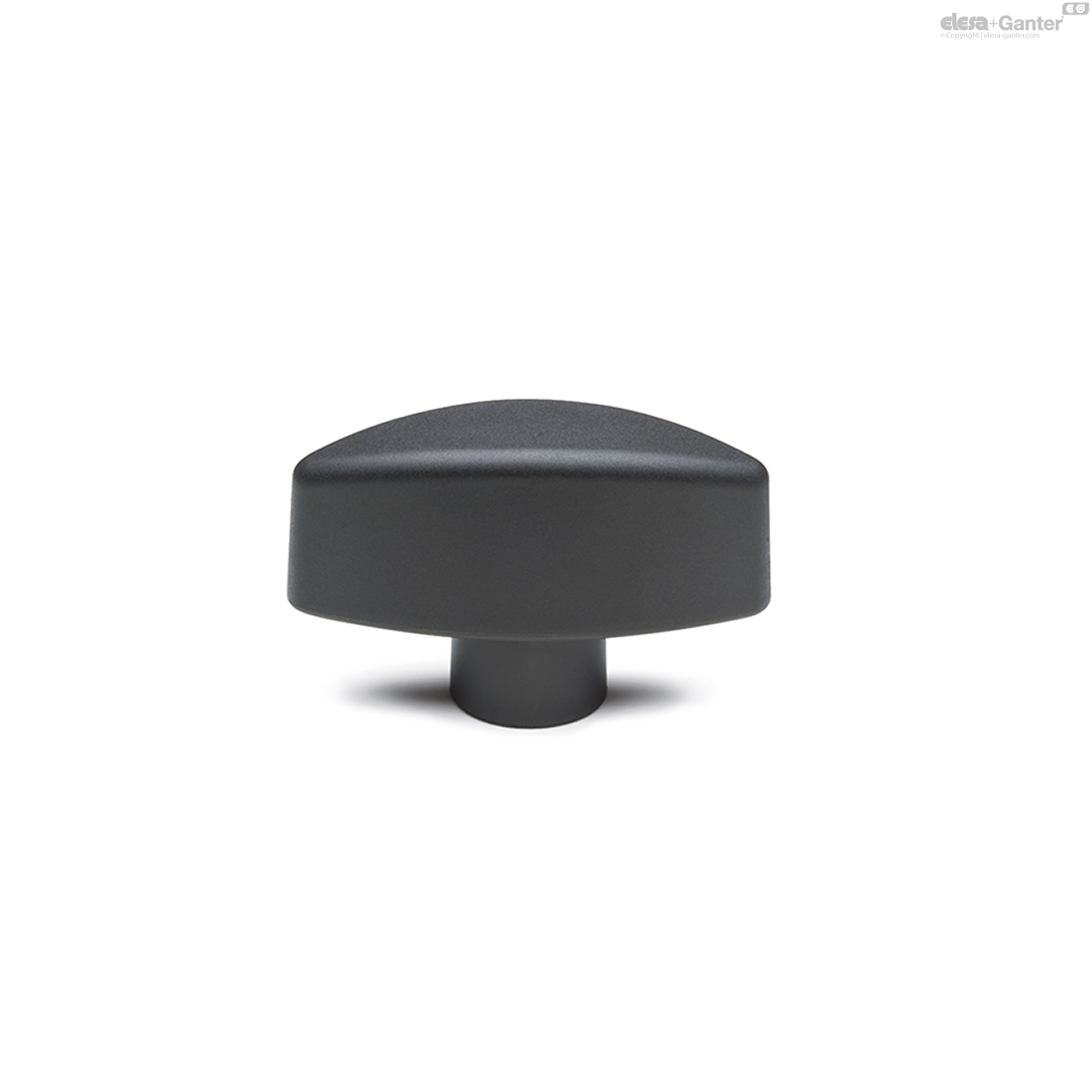
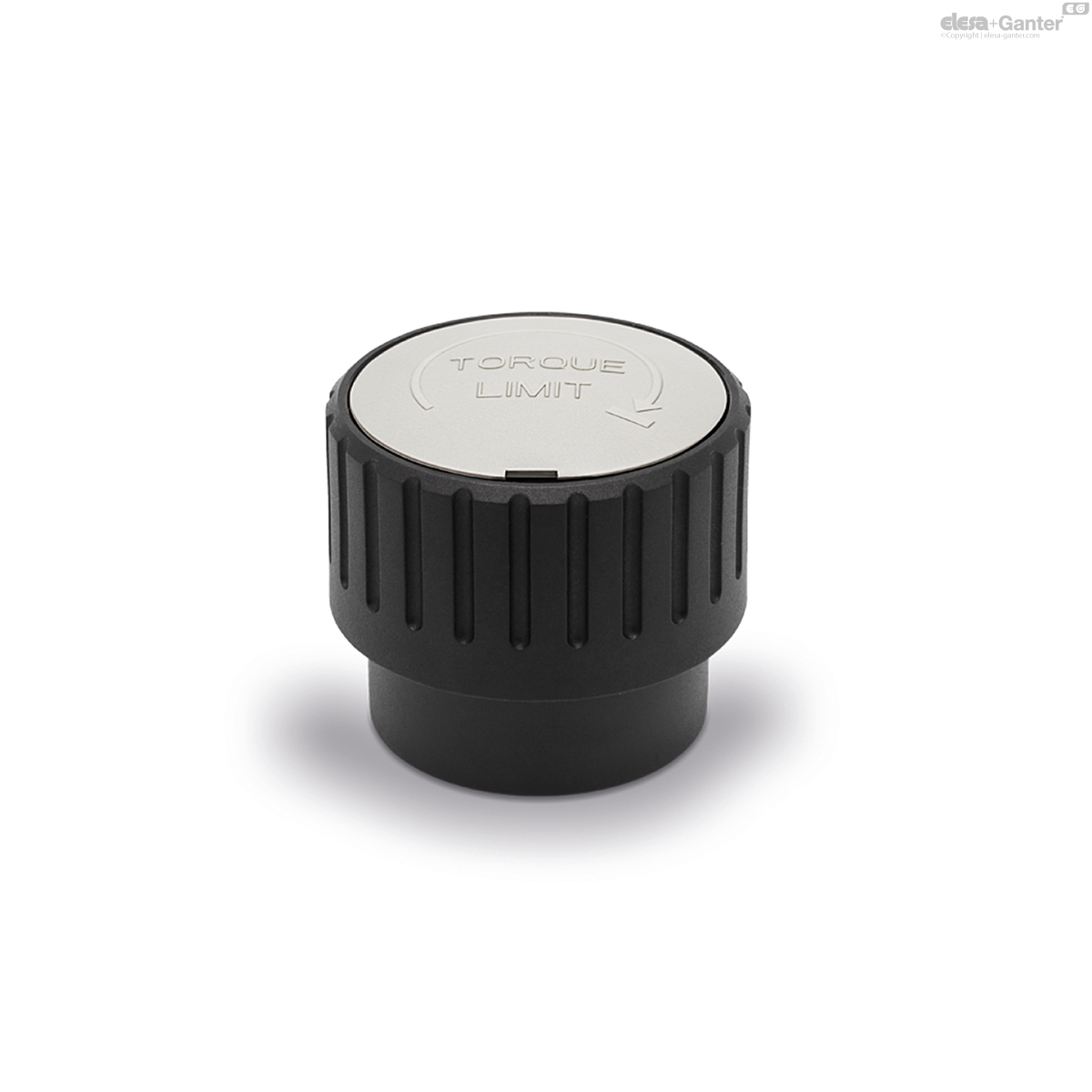
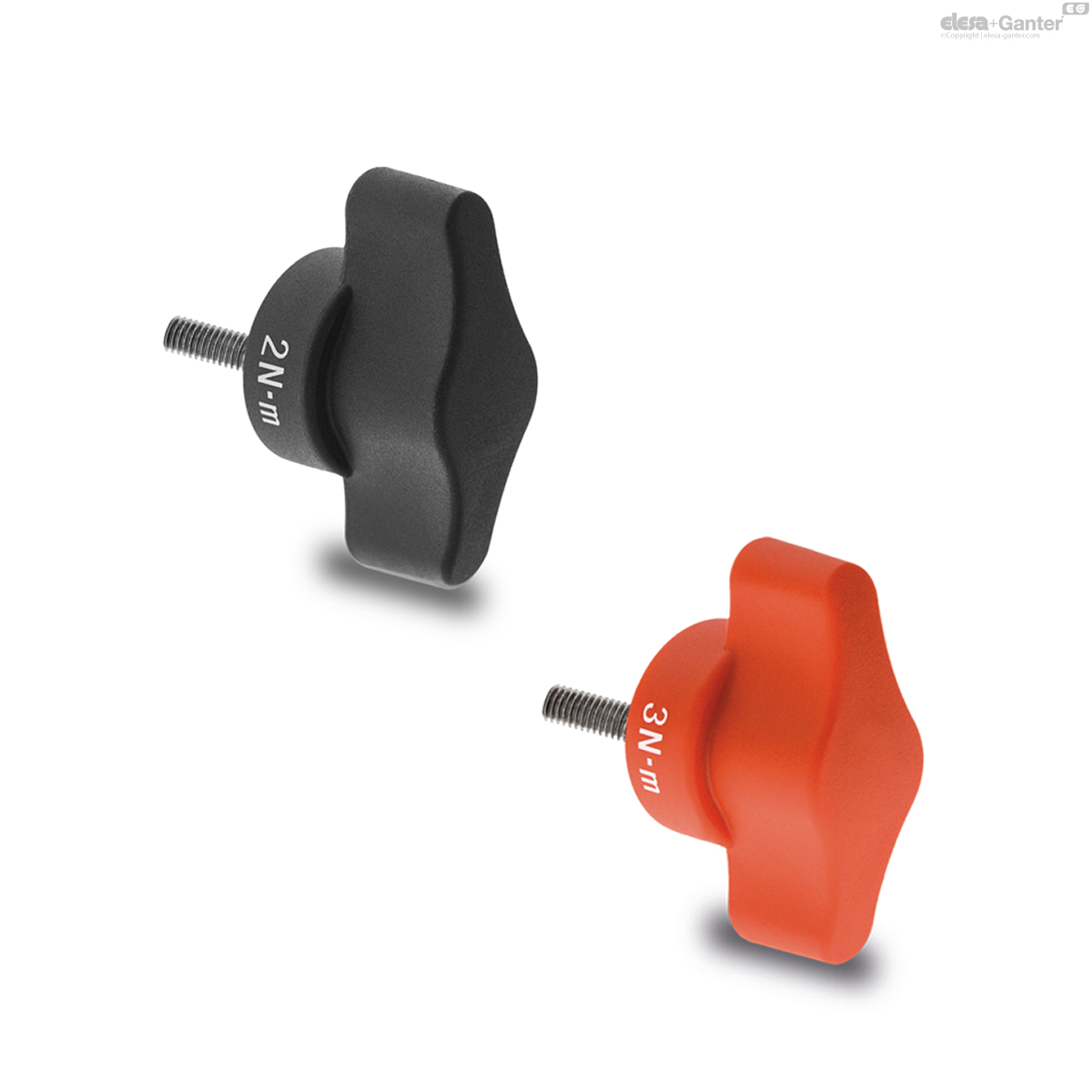
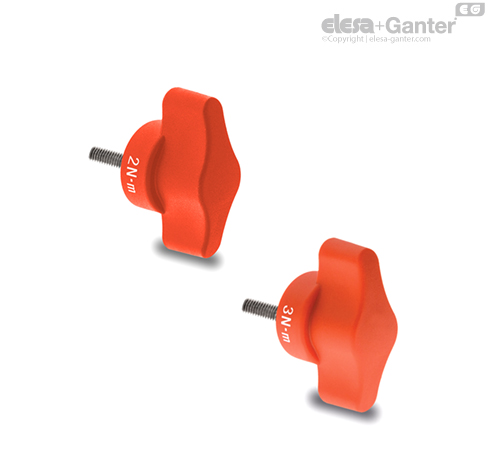
CTD-pTorque limiting wing knobs
Threaded stud
Technopolymer


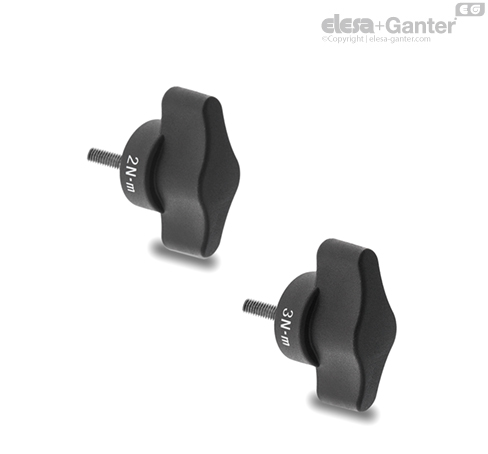
|
Catalogue
|
Description
|
D
|
d
|
L
|
d1
|
d2
|
l
|
l2
|
b
|
C#
[Nm] |

|
|---|---|---|---|---|---|---|---|---|---|---|---|
|
|
|
|
|
|
|
|
|
|
|
|
|
|
221951-C9
|
CTD.48 p-M5x10-2-C9
|
48
|
M5
|
28
|
26
|
10
|
10
|
9
|
20
|
2
|
37
|
|
221952-C9
|
CTD.48 p-M5x10-3-C9
|
48
|
M5
|
28
|
26
|
10
|
10
|
9
|
20
|
3
|
41
|
|
221955-C9
|
CTD.48 p-M5x16-2-C9
|
48
|
M5
|
28
|
26
|
10
|
16
|
9
|
20
|
2
|
41
|
|
221956-C9
|
CTD.48 p-M5x16-3-C9
|
48
|
M5
|
28
|
26
|
10
|
16
|
9
|
20
|
3
|
38
|
|
221961-C9
|
CTD.48 p-M6x16-2-C9
|
48
|
M6
|
28
|
26
|
10
|
16
|
9
|
20
|
2
|
39
|
|
221962-C9
|
CTD.48 p-M6x16-3-C9
|
48
|
M6
|
28
|
26
|
10
|
16
|
9
|
20
|
3
|
40
|
|
221965-C9
|
CTD.48 p-M6x25-2-C9
|
48
|
M6
|
28
|
26
|
10
|
25
|
9
|
20
|
2
|
41
|
|
221966-C9
|
CTD.48 p-M6x25-3-C9
|
48
|
M6
|
28
|
26
|
10
|
25
|
9
|
20
|
3
|
42
|
Material
Glass-fibre reinforced polyamide based (PA) technopolymer, black (C9) or orange (C2) colour, matte finish.
Torque limiting mechanism
Nickel-plated steel.
Standard executions
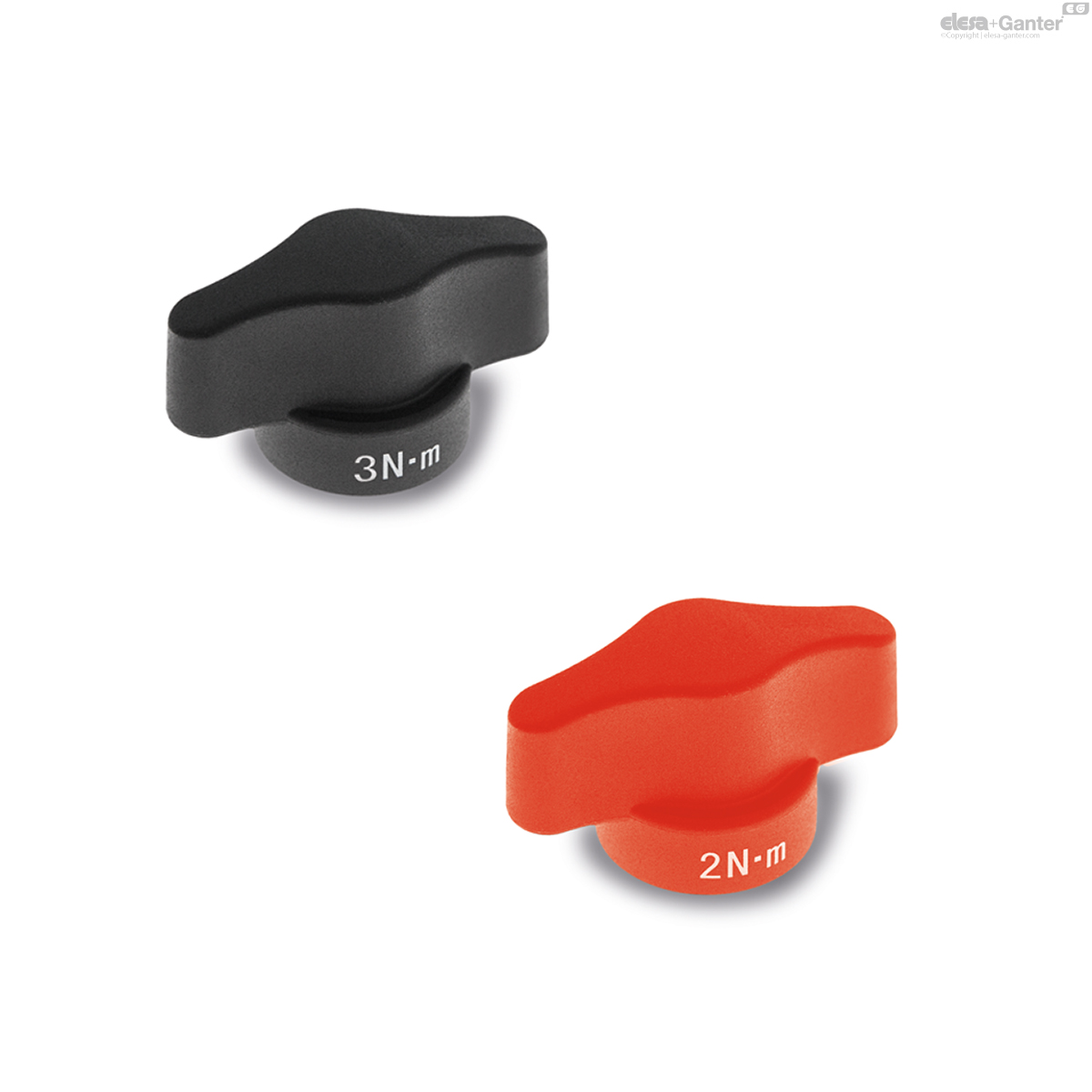
- CTD-B-2: nickel-plated steel boss with threaded blind hole, maximum torque 2Nm.
- CTD-B-3: nickel-plated steel boss with threaded blind hole, maximum torque 3Nm.
- CTD-p-2: nickel-plated steel threaded screw, maximum torque 2Nm.
- CTD-p-3: nickel-plated steel threaded screw, maximum torque 3Nm.
Features and applications
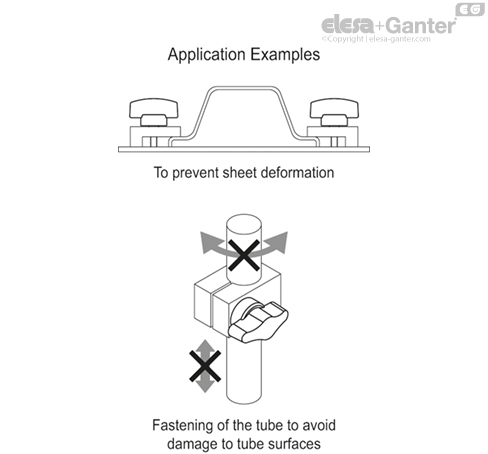
CTD wing knobs are used when the applied tightening torque must not exceed a preset value.
The torque transmission from the wing knob to the clamping element takes place by means of a spring-based mechanical system which prevents the overcoming of the established torque. Upon exceeding the established torque, a 'click' sound will be heard to indicate that the maximum tightening has been reached. By turning the knob anticlockwise the mechanism unlocks.